Back
Insights
How AI Search shapes luxury brand marketing in 2026
A deep dive into 2026 digital marketing for luxury brands, focusing on AI visibility.

Anand
Founder

This is part one of a four-part series by Scope, breaking down 2026 digital marketing for Luxury, CPG, Enterprise SaaS, and Developer tools. We discover how AI Search varies based on the buyer, the buying process, and where conversations happen.
Declining revenue
The luxury product discovery shift is happening in an already difficult market. LVMH posted a 5% revenue decline for full-year 2025, with organic revenue down 1% and profit from recurring operations dropping 9%. Q1 2026 organic revenue came in at 1% growth, landing slightly below analyst expectations and signaling a continued consolidation phase. The sector is under pressure from multiple directions: weakening demand in China, currency headwinds, and a consumer base that is increasingly value-conscious across all income levels.
Industry statistics
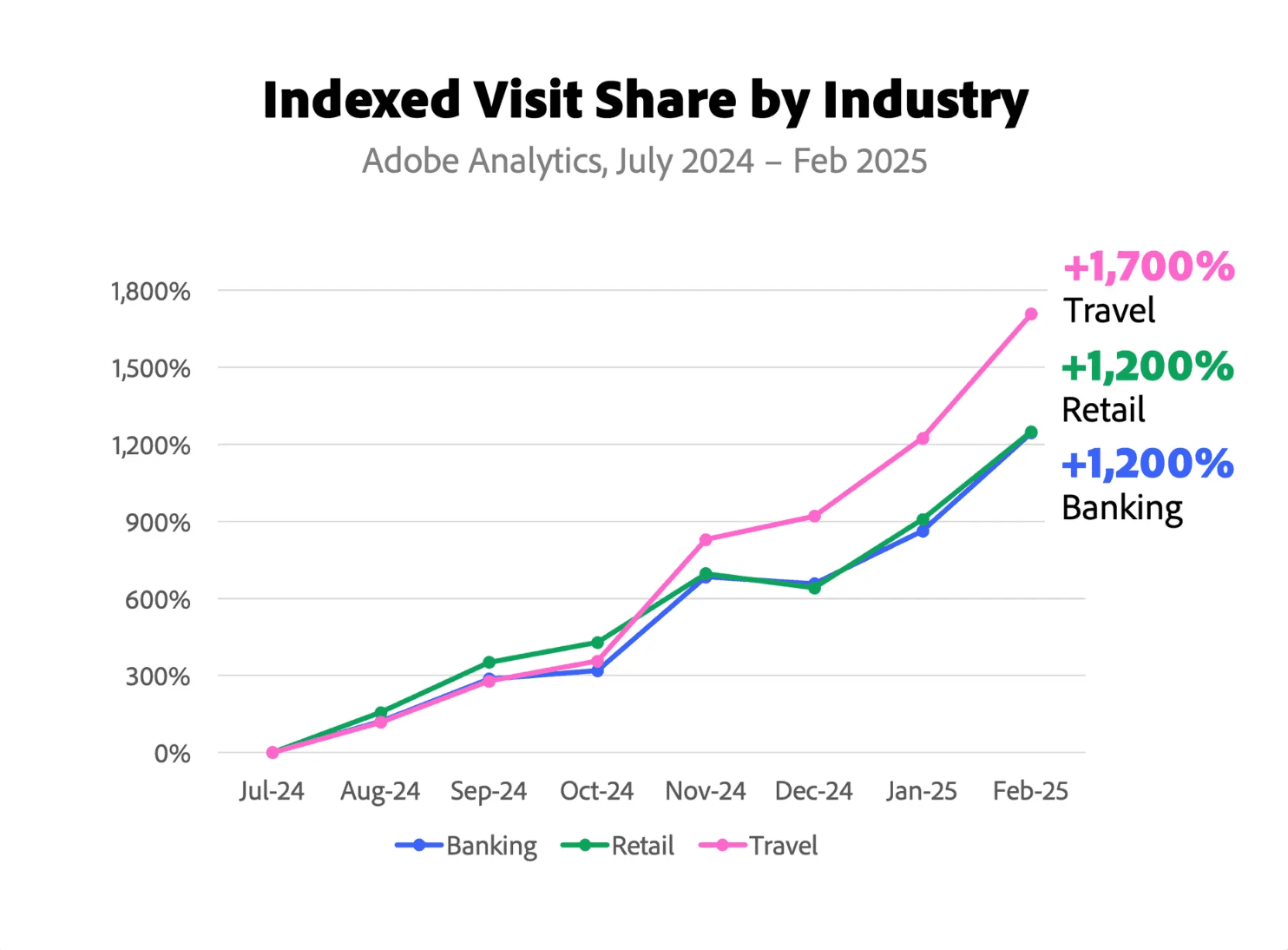
Adobe Analytics found that AI search is rapidly changing how consumers discover products and services. Retail shopping searches on generative AI platforms surged 1,200% from 2024 to 2025. For the luxury sector, losing this initial discovery phase exacerbates an existing growth challenge.
41% of consumers state they trust generative AI search results more than traditional advertising. When a buyer asks ChatGPT which watch to buy for a specific use, the recommendation carries more weight than an ad because it is specific and personalized.
Brand identity doesn’t always translate to AI search visibility. Some of the larger brands are less well represented on AI assistants, while many disruptive challenger brands feature more prominently. Domain authority and paid search dominance, which previously ensured luxury brand visibility on traditional search result pages, no longer guarantee presence in AI conversations. The signals driving AI citation prioritize brands with semantically clear, structured content and robust third-party digital presence, often irrespective of their market capitalization. For luxury holding groups, this is serious pressure.
To ensure products are favored by AI models, brands must rethink their digital marketing and e-commerce infrastructures, where semantically rich data and API-accessible content will be critical to success. Product information must be consistent, complete, and easily interpreted by ChatGPT, Claude, Perplexity, Gemini, and more. For brands managing hundreds of SKUs across global markets with localized pricing, availability, and storytelling, that consistency is a genuine operational challenge layered on top of existing commercial pressure.
There's also a volatility problem that static monitoring doesn't surface. Scope found that the same consumer query returns different results every run, even within a single day. A brand appearing in a "best luxury purse" answer one moment may disappear the next, while the question remains the same. Monitoring AI visibility as a snapshot misses this entirely. For brands already facing a difficult market, this unmeasured discovery risk is significant.
How to increase brand visibility
Brands are recommended to invest in AI search so consumers know what they stand for, think specifically about their visibility in generative engine optimization, and consider how their web experience allows consumers to have a more conversational discovery journey rather than the traditional list of a thousand products.
The brands moving fastest are auditing what AI currently says about them, across models and consumer personas, before deciding what to fix.
Read More
From the Scope team.